

 English
 Français
 русский
 عربى
عربى Español
إذا كنت تقوم بتجديد غرفة تحتاج إلى ملمس القماش الطبيعي للخيش، ولكنك تريد أيضًا تجنب ميل الخيش الحقيقي إلى التجعد، والاحتفاظ بالبقع، ويتطلب رعاية صعبة، فقد يكون الفيلم الزخرفي ذو نسيج الخيش هو القرار العملي. يضع هذا الفيلم المركب المطبوع نسيجًا من الخيش على طبقة بلاستيكية متينة، مما يمنح حائطك أو سطح الأثاث أو الأرضية مظهرًا ريفيًا دافئًا مع الحفاظ على المتانة وسهولة صيانة الفيلم. إنه ليس ورق حائط، وليس قماشًا. إنها مادة زخرفية وظيفية يمكنها تغطية أي سطح مستو تقريبًا.
محتوى
ما هو فيلم الديكور الملمس الخيش؟
ببساطة، نسيج الخيش فيلم الزخرفية عبارة عن فيلم مركب مطبوع بالألوان مع نمط خيش مطبوع على سطحه. يبدأ عادةً بقاعدة فيلم PET أو BOPP، ثم يستخدم آلة الطباعة لنقل الخطوط المنسوجة من ألياف الجوت أو الكتان إلى تلك القاعدة. يتم بعد ذلك تصفيح المادة أو تقطيعها إلى لفات جاهزة للتطبيق اللاصق. تشرح شركة Anhui Morning Language Science and Technology Materials Co., Ltd. في هذه المقالة أنها مادة زخرفية تستخدم تكنولوجيا الطباعة لتقليد مظهر القماش الطبيعي.
يمكنك التفكير في الأمر على أنه فيلم يشبه القماش وليس نسيجًا فعليًا. وهذا التمييز مهم لأنه يحافظ على الخصائص المتوقعة للفيلم المطبوع: سمك موحد، ولون ثابت، والقدرة على القطع والتوزيع بكميات كبيرة. على عكس الخيش الحقيقي، فإنه لا ينكمش أو يتآكل أو يتطور عند تعرضه للرطوبة الداخلية أو التعامل اليومي.
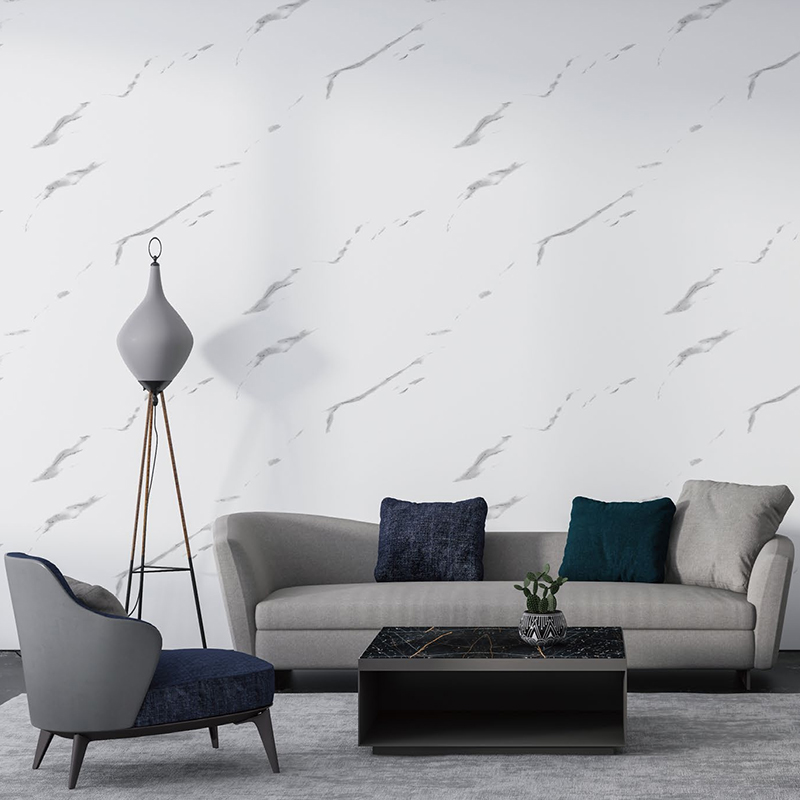
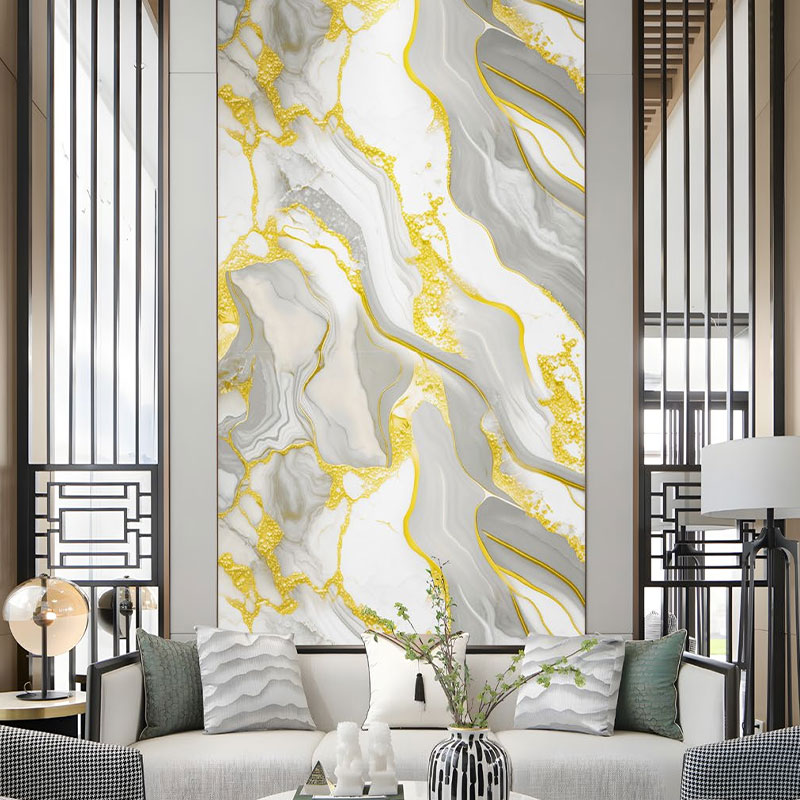
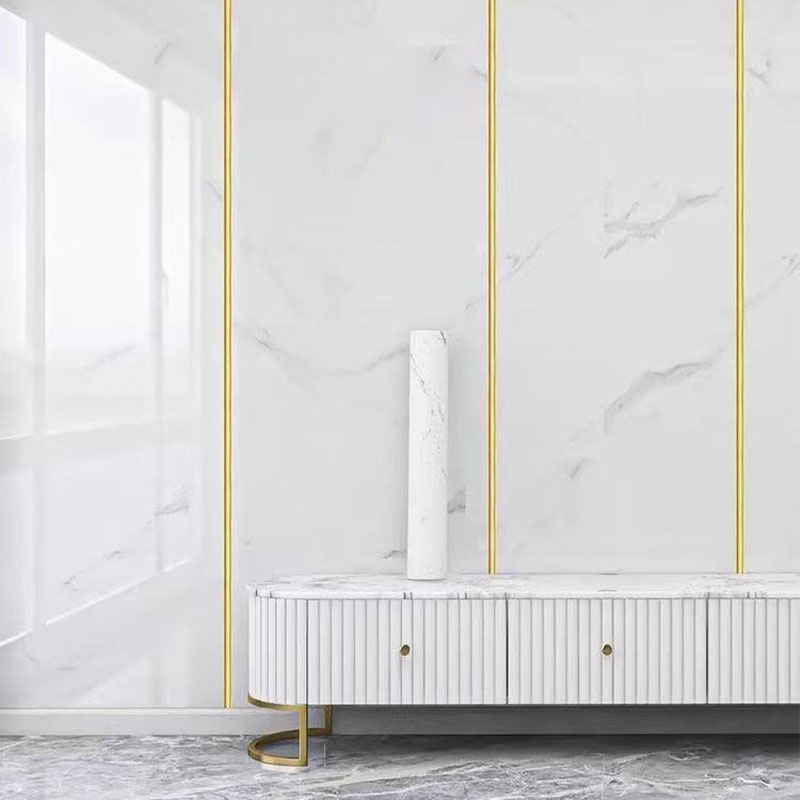
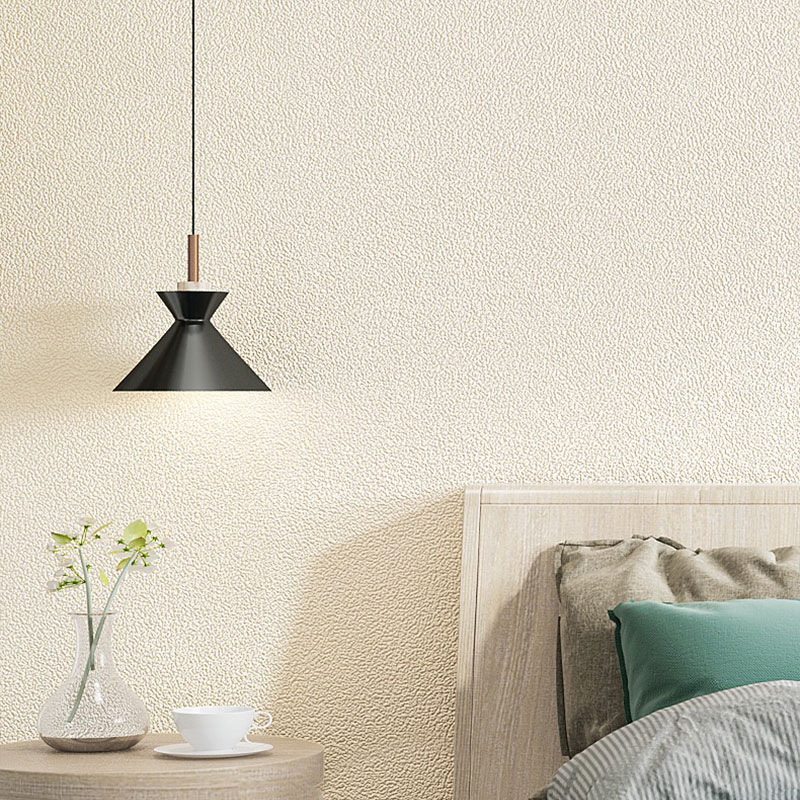 ملصق حائط ذاتي اللصق من الكتان لتزيين المنزل يحاكي هذا الفيلم نسيج الكتان بسطح مقاوم للماء ومقاوم للأوساخ. يمكن تطبيقه بسهولة على الجدران أو الأثاث، مما يوفر بديلاً عمليًا للنسيج الحقيقي الذي يتجنب الانكماش والاهتراء والعفن الفطري في الأماكن الداخلية الرطبة. عرض المنتج →
 لماذا تختار فيلمًا بدلاً من الخيش الحقيقي؟
في المواقف التي تكون فيها الرطوبة والتآكل وقابلية التنظيف مهمة، عادةً ما يكون أداء الغشاء الزخرفي ذو نسيج الخيش أفضل من الخيش الحقيقي. يتميز الخيش الأصلي بملمس ليفي جميل، ولكنه يمتص الماء ويميل إلى الانكماش ويثبت البقع. بالنسبة للمطابخ والحمامات وغرف الأطفال أو تجديد العقارات المستأجرة، فإن نقاط الضعف هذه تخلق مخاطر عملية.
يمكن تصميم الفيلم المطبوع بسطح غير لامع يشبه الخيش بينما يظل قابلاً للغسل. توفر معظم المنتجات تأثيرًا مقنعًا للقماش عند النظر إليها من مسافة 30-50 سم تحت الإضاءة الداخلية العادية. بعد متر واحد، غالبًا ما يصعب تمييز النسيج المطبوع عن الخيش الحقيقي. يلخص الجدول أدناه الاختلافات الرئيسية في الأداء.
| الملكية | الخيش الحقيقي | فيلم ديكور من نسيج الخيش |
|---|---|---|
| مقاومة الرطوبة | يمتص الماء، ويمكن أن يتقلص مع مرور الوقت | مقاوم للماء والرطوبة |
| التنظيف | تنظيف البقع فقط، تبقى البقع مرئية | يمكن مسحه بقطعة قماش مبللة |
| المتانة | عرضة للاهتراء والتجعد | مقاوم للخدش وثابت اللون |
| التثبيت | يتطلب تشذيبًا لاصقًا ودقيقًا | ذاتية اللصق أو الغراء المطبق، أسهل في تغيير موضعها |
| التكلفة | أعلى للحصول على جودة متسقة | انخفاض التكلفة لكل متر مربع |
مكان استخدام فيلم الديكور بنسيج الخيش
تجديد الجدار
لتجديد الجدران، غالبًا ما يتم استخدام فيلم زخرفي من نسيج الخيش كجسر بين الجدران المطلية بشكل عادي والتشطيبات الخشبية أو البلاط الأكثر تكلفة. وتظهر أقوى ميزة لها في المساحات المؤقتة أو غرف الإيجار أو غرف نوم الأطفال حيث لا تكون هناك حاجة إلى إعادة التجصيص بالكامل. عند اختيار فيلم للجدران، تحقق من استواء سطح القاعدة وسمك الطبقة المطبوعة بحيث يبدو النسيج متماسكًا تحت الضوء المباشر.
ملصق حائط ذاتي اللصق من الكتان لتزيين المنزل يحاكي هذا الفيلم نسيج الكتان بسطح مقاوم للماء ومقاوم للأوساخ. يمكن تطبيقه بسهولة على الجدران أو الأثاث، مما يوفر بديلاً عمليًا للنسيج الحقيقي الذي يتجنب الانكماش والاهتراء والعفن الفطري في الأماكن الداخلية الرطبة. عرض المنتج → حصير التاتامي وأسطح السرير
يمكن تطبيق نفس الفيلم على الأسطح الأفقية المسطحة مثل حصير التاتامي أو ألواح السرير أو أغطية سطح المكتب. تعتبر الإصدارات ذاتية اللصق ملائمة بشكل خاص لهذه المناطق لأنها لا تتطلب غراءًا إضافيًا. أحد التفاصيل المهمة هنا هو إعداد السطح. إذا كان سطح التاتامي زيتيًا أو متربًا، فغالبًا ما ترتفع الطبقة ذاتية اللصق عند الحواف بعد بضعة أسابيع، خاصة في المواسم الرطبة.
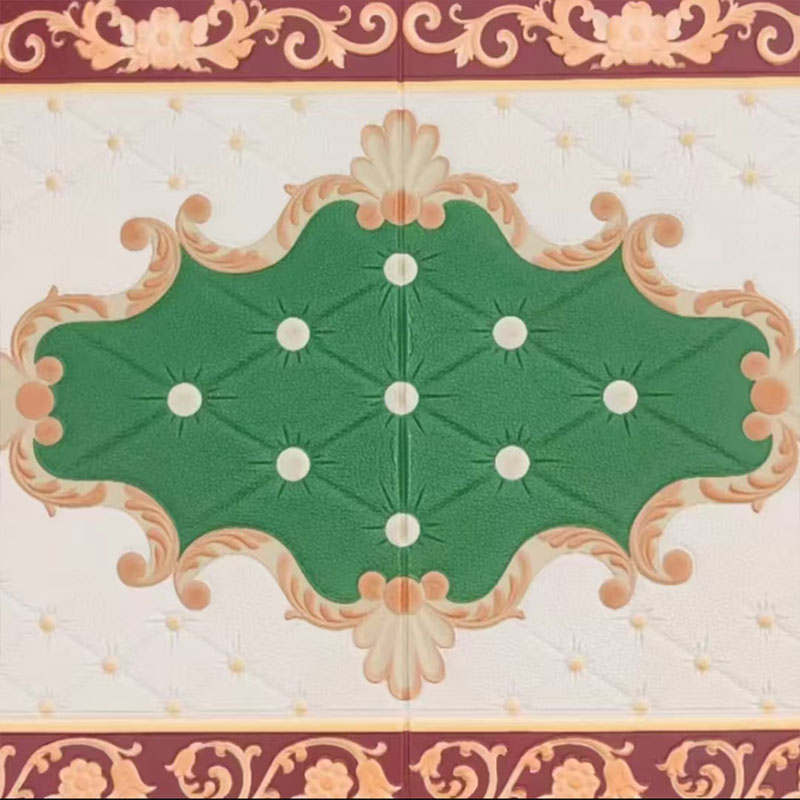 طبقة ذاتية اللصق لحصيرة التاتامي والأسطح المسطحة مصمم لحصائر التاتامي أو ألواح السرير أو أجهزة الكمبيوتر المكتبية، يضيف هذا الغشاء ذاتي اللصق لمسة نهائية زخرفية بدون غراء إضافي. يمنع التنظيف السليم للسطح رفع الحواف، مما يجعله مناسبًا للتحديثات المؤقتة أو المستأجرة. عرض المنتج →
 الحصير الأرضية وطبقات الحماية
يمكن أيضًا استخدام أفلام نسيج الخيش السميكة كأغطية للأرضيات. وهي مغلفة على دعامة رغوية لإنشاء حصيرة واقية. في حالة الاستخدام هذه، لا تكون طبقة الفيلم مجرد ديكور؛ إنه بمثابة سطح مقاوم للتآكل يحمي الرغوة الموجودة أسفله من الرطوبة والأوساخ وحركة القدم المتكررة.
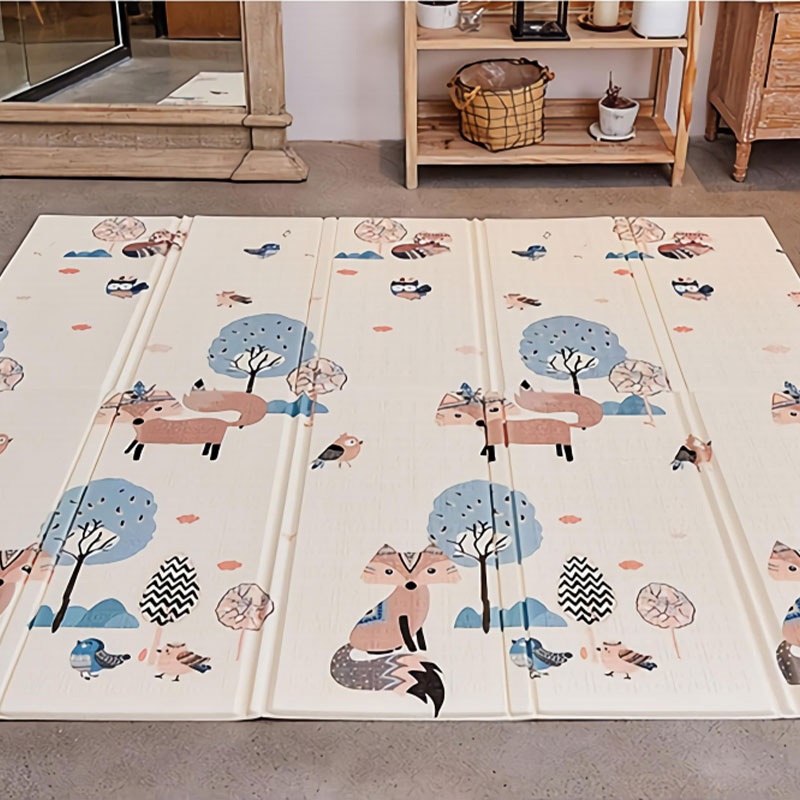
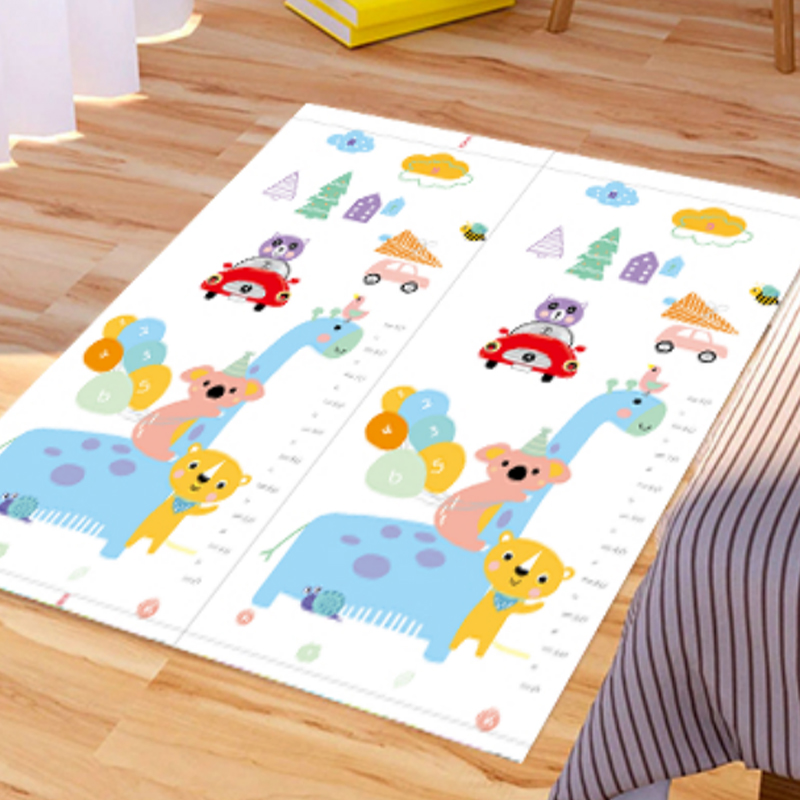
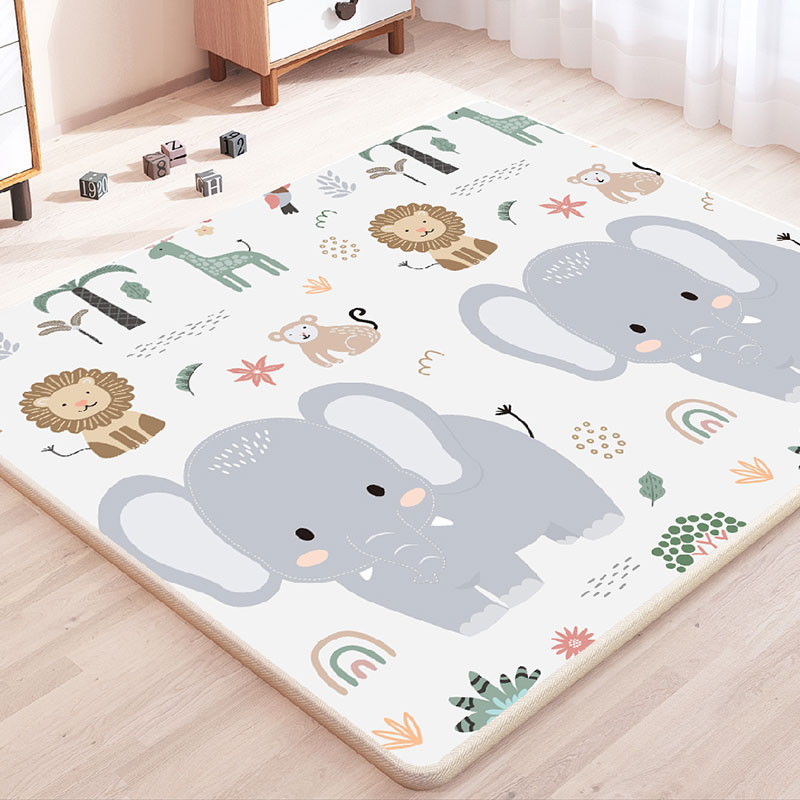
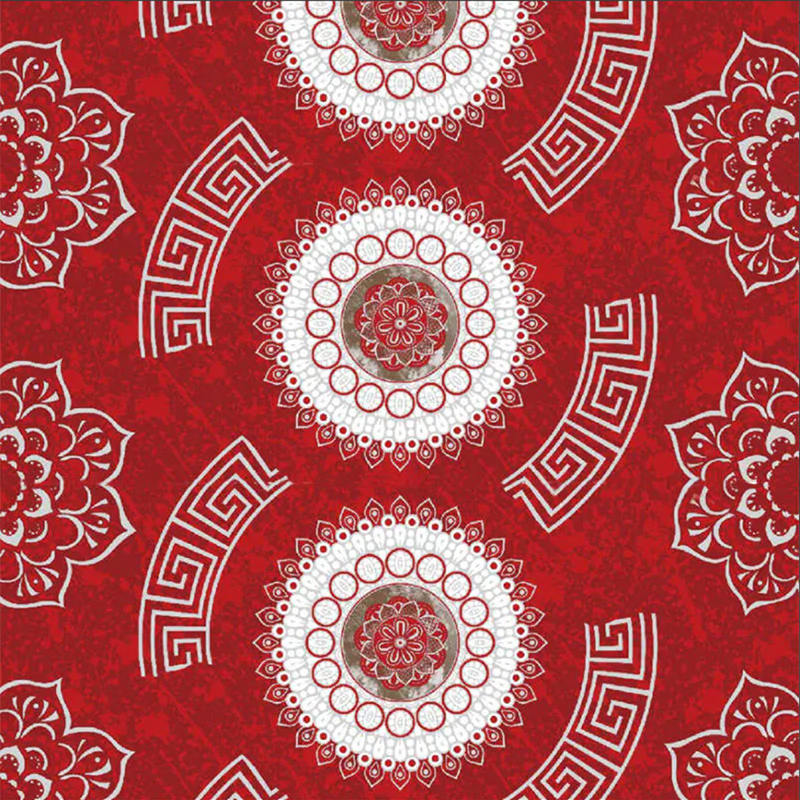 سجادة أرضية سميكة من الزهور مع طبقة ملابس واقية تتميز هذه السجادة الأرضية بطبقة مغلفة على دعامة إسفنجية، مما يخلق سطحًا مقاومًا للتآكل. تحمي الطبقة الواقية من الرطوبة والأوساخ وحركة القدم، مما يجعلها مناسبة لمناطق اللعب والأرضيات المنزلية. عرض المنتج →
 عوامل الشراء الرئيسية للتقييم
عند المقارنة بين الموردين المختلفين، ركز على بعض النقاط الفنية التي تؤثر بشكل مباشر على الأداء. هذه هي المجالات التي يمكن أن تختلف فيها المواصفات القياسية بشكل كبير بين الشركات المصنعة.
- مادة الفيلم الأساسية: تعد أفلام PET وBOPP شائعة في أغطية الجدران، في حين تتم إضافة رغوة EPE عادة تحت الطبقة المطبوعة لتطبيقات الحصير. تحدد المادة الأساسية المرونة والمقاومة للتغيرات في درجات الحرارة.
- سمك: يبلغ سمك أفلام الجدار عادة حوالي 80-120 ميكرون. يجب أن تكون سماكة سجاد الأرضية عدة مليمترات، وغالبًا ما يكون إجمالي سمكها 1-3 مم. الفيلم الرقيق جدًا سوف يتشقق بسهولة عند الزوايا.
- نوع اللاصق: تحتوي المنتجات ذاتية اللصق على ورق تغليف به غراء حساس للضغط. تتطلب الأفلام غير اللاصقة غراء منفصل أو تستخدم في عمليات التصفيح الصناعية.
- مثبطات اللهب والامتثال البيئي: إذا كان الفيلم مخصصًا للأماكن العامة أو مناطق رعاية الأطفال، فتأكد مما إذا كان يلبي فئة معينة من القابلية للاشتعال وتحقق من تقارير الاختبارات البيئية ذات الصلة قبل الطلب.
- تناسق الألوان: تعتمد واقعية الخيش على دقة الطباعة. اطلب دائمًا عينة وقارنها بدفعة الإنتاج، خاصة بالنسبة للطلبات الكبيرة حيث يمكن أن يصبح التحول الطفيف في اللون مرئيًا للغاية عبر جدار طويل.
المشكلة الأكثر شيوعًا التي تؤدي إلى فشل عمليات التثبيت هي سوء إعداد السطح. حتى مع وجود فيلم عالي الجودة، فإن الجدار الدهني أو الطبقة الأساسية المتقشرة سوف يسبب الفقاعات والتقشير. تعتبر الأسطح النظيفة والجافة مطلبًا غير قابل للتفاوض.
كيفية التقديم والمحافظة عليه
عملية التقديم واضحة ومباشرة، ولكن الاهتمام بالتفاصيل سيحدد ما إذا كانت النتيجة النهائية تبدو احترافية أم لا. عادة ما يعمل التسلسل البسيط بشكل جيد.
- تنظيف الركيزة جيدا. قم بإزالة الغبار والزيت وأي مادة لاصقة متبقية من الملصقات السابقة. إذا كان السطح خشنًا، قم برمله قليلًا أولًا.
- قم بقياس المنطقة المستهدفة وقم بقص الفيلم بهامش إضافي قدره 2-3 سم على كل جانب. هذه المادة الإضافية تجعل من السهل تقليم الحواف بشكل أنيق.
- قشر حوالي 10 سم من الورق الخلفي واضغط الفيلم على حافة البداية. استمر في التقشير أثناء استخدام مكشطة بلاستيكية لدفع فقاعات الهواء من المركز نحو الجوانب.
- بالنسبة للمنافذ والزوايا والحواف، قم بقصها على طول المحيط بسكين متعدد الاستخدامات. لا تقم بسحب أو تمديد الفيلم أثناء القطع.
- بعد تطبيق الفيلم بالكامل، اترك المادة اللاصقة لمدة 24 ساعة على الأقل قبل استخدام سخانات ذات درجة حرارة عالية أو مراوح قوية في الغرفة.
الصيانة بسيطة. امسح السطح بقطعة قماش مبللة ومنظف معتدل محايد. تجنب استخدام أجهزة التنظيف أو مواد التنظيف الكاشطة التي تحتوي على جزيئات دقيقة، لأنها يمكن أن تؤدي إلى تآكل النسيج المطبوع. في ظل الظروف الداخلية العادية، تتراوح مدة الخدمة المتوقعة عادة من 3 إلى 5 سنوات، اعتمادًا على مقدار ضوء الشمس المباشر الذي يستقبله السطح وعدد مرات تنظيفه.
يوفر الفيلم الزخرفي ذو نسيج الخيش أرضية وسطية عملية بين مظهر القماش الطبيعي وأداء السطح المصنع. إذا كنت تقارن بين خيارات ملصقات الحائط، أو أغطية التاتامي، أو سجادات الأرضية، فانتبه إلى سُمك الظهر ونوع المادة اللاصقة ومقاومة الفرك قبل تقييم ما إذا كان النمط المرئي يبدو واقعيًا. يعد اختبار العينة على سطح التطبيق الخاص بك دائمًا خطوة أكثر أمانًا من طلب مجموعة كاملة من الصور فقط.